HALT/HASS Chamber
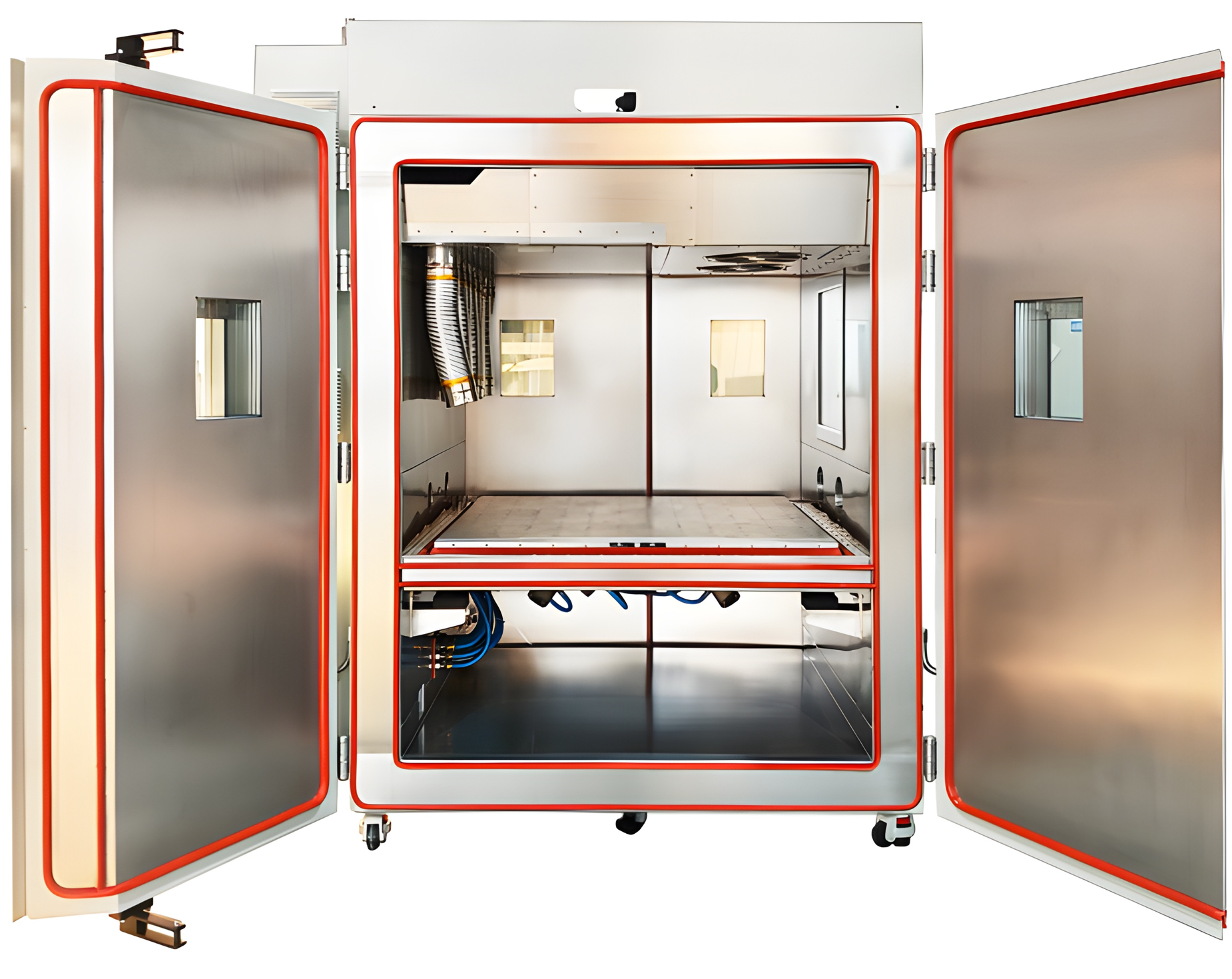
HALT / HASS Chamber
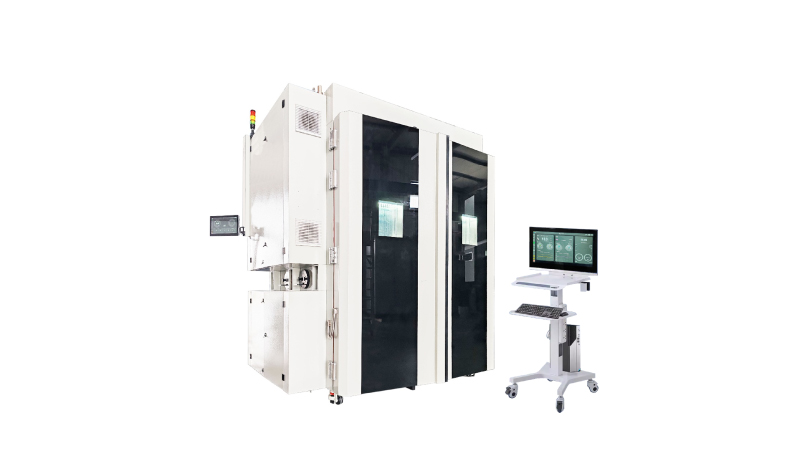
BIA-Climatic HyperStrength High Accelerated Life Test Chamber
The BIA-Climatic HyperStrength series is designed for Highly Accelerated Life Testing (HALT) and Highly Accelerated Stress Screening (HASS). By combining extreme temperature cycling with high-frequency random vibration, the system helps engineers rapidly identify design weaknesses, manufacturing defects and potential failure mechanisms.
With temperature capability from -100°C to +200°C, vibration levels up to 100G and frequencies up to 10,000 Hz, the HyperStrength provides a powerful platform for accelerated reliability testing across automotive, electronics, semiconductor, aerospace and industrial applications.
Applications
- Automotive & New Energy – ECU, BMS, domain controllers, sensors, motor controllers and other automotive electronics
- Consumer Electronics & Communications – mobile devices, wearables, communication modules and PCB assemblies
- Aerospace & Defense – airborne and space electronics, connectors and structural components
- Industrial & Medical Equipment – PLCs, drives, controllers and medical electronics
- Semiconductor & PCBA – solder joints, components and assemblies requiring accelerated reliability evaluation
- Production Screening – HASS screening to identify manufacturing-related defects before shipment
Designed for HALT & HASS
Unlike conventional environmental testing, HALT and HASS are reliability engineering methodologies designed to accelerate failure discovery, identify failure mechanisms and establish product operating and destruct limits.
The HyperStrength system supports HALT/HASS methodology associated with Gregg K. Hobbs, while providing environmental capabilities applicable to international temperature and vibration standards.
Supported and applicable standards include:
- GB/T 29309-2012 – Guidelines for Highly Accelerated Life Testing
- GMW 8287 – GM HALT Guidelines
- T/CIE 144-2022 – Reliability Enhancement Testing Methods for Semiconductor Devices
- GMW 3172
- ISO 16750
- ISO 21498
- IEC 60068-2-14 – Temperature Change
- IEC 60068-2-64 – Broadband Random Vibration
- IEC 60068-2-1 / IEC 60068-2-2 – Cold / Dry Heat
- IEC 60068-3-5 / IEC 60068-3-6 – Performance Confirmation
- GB/T 2423 series
- GB/T 5170 series
- GJB 150 series
- MIL-STD-810H
Key Features
High-Energy Vibration System
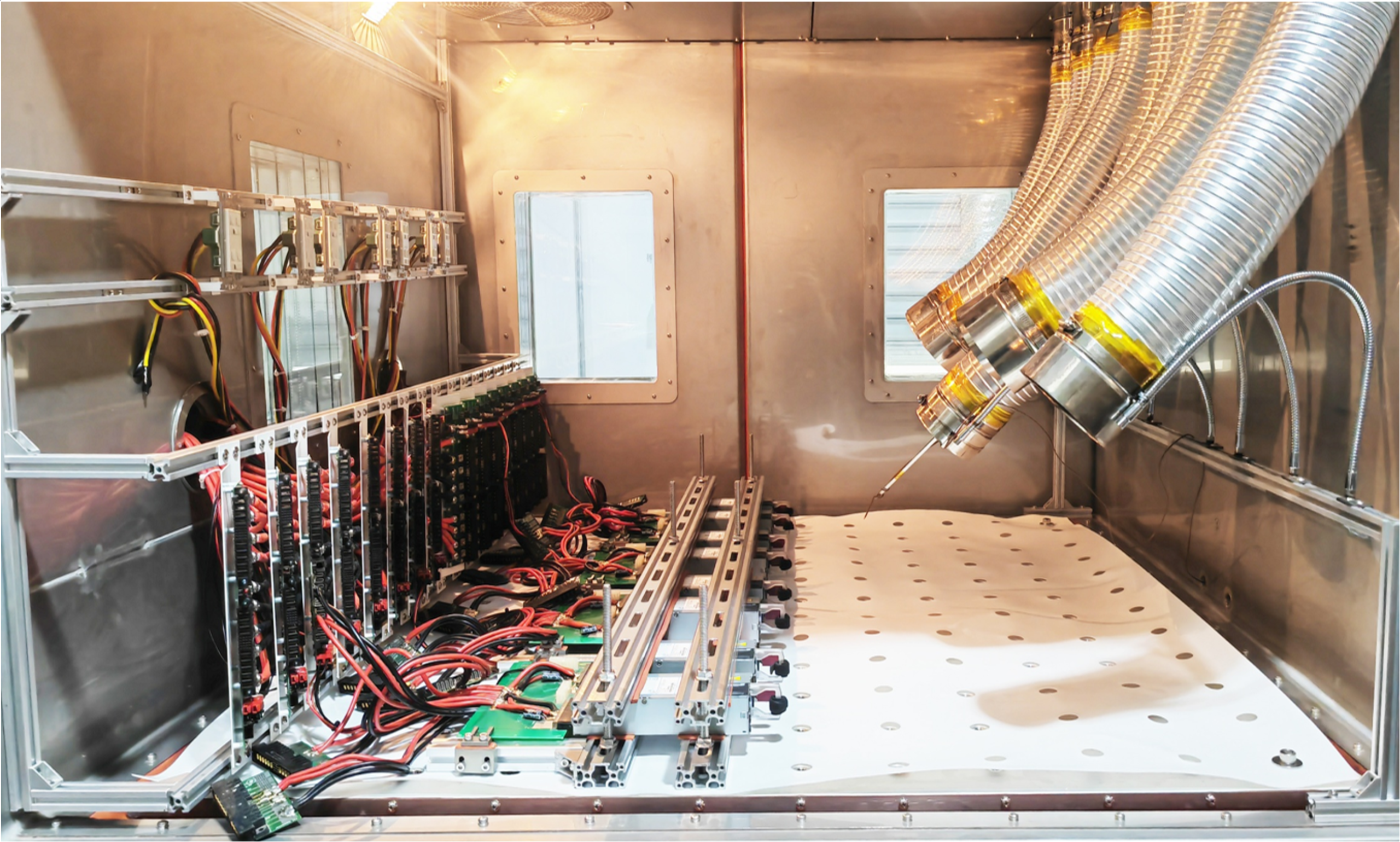
The HyperStrength vibration platform is designed for high-energy random vibration testing from 1G up to 100G. Its integrated flat vibration table maximizes usable test area, while adjustable vibration-driver positions allow the system to accommodate different DUT configurations.
The vibration system is thermally isolated to maintain stable operation under extreme temperature conditions from -100°C to +200°C.
High-Efficiency Liquid Nitrogen Cooling
The full-vacuum, dual-control liquid nitrogen injection system provides rapid cooling for accelerated temperature transitions.
Combined with high-speed air circulation, dual fans and a turbulence-enhancing airflow structure, the system rapidly distributes cooling energy throughout the test space to help expose product weaknesses efficiently.
Nitrogen Purging for Safer Testing
An integrated GN₂ purge system helps reduce combustion risk during extreme-temperature testing and minimizes moisture-related problems such as condensation and icing during liquid-nitrogen cooling.
Nitrogen purging can also be used to thermally isolate selected components, sensors and temperature-sensitive protection devices.
Fast Temperature Transition
The system supports programmable temperature transition rates from 5 to 100°C/min, depending on the application and DUT load.
The control system can automatically adjust temperature and vibration conditions according to the test load, supporting different DUT thermal loads and fixture configurations.
Intelligent HMI & Automated Testing
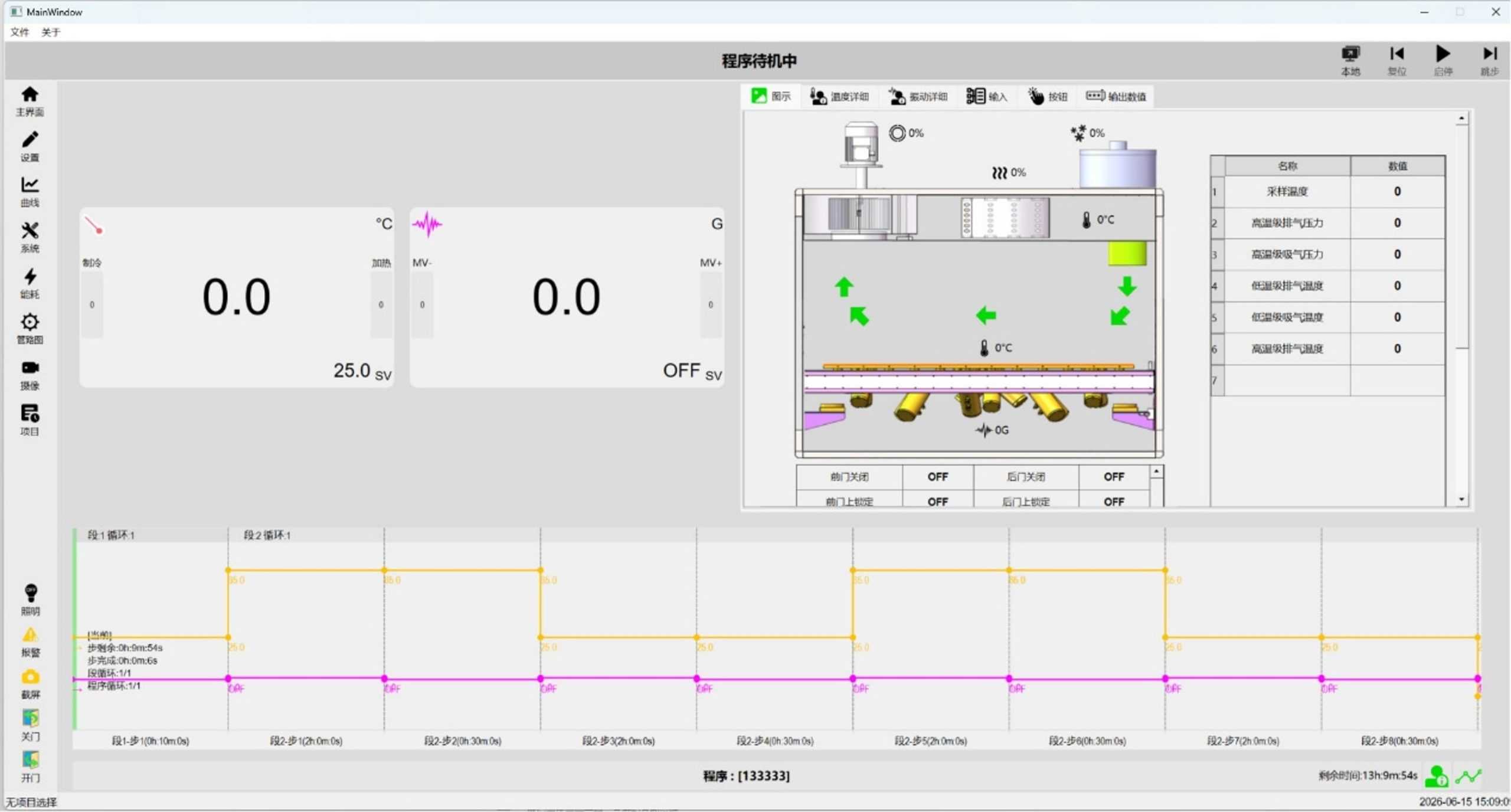
The HyperStrength system can be configured with SIEMENS, Allen-Bradley or BIA PLC control, together with a 13-inch touchscreen HMI and Windows-based operating system.
The integrated software platform supports:
- Multi-zone temperature control
- Vibration monitoring and control
- Test sequencing and automatic scheduling
- Real-time power, gas and LN₂ consumption monitoring
- Test data acquisition
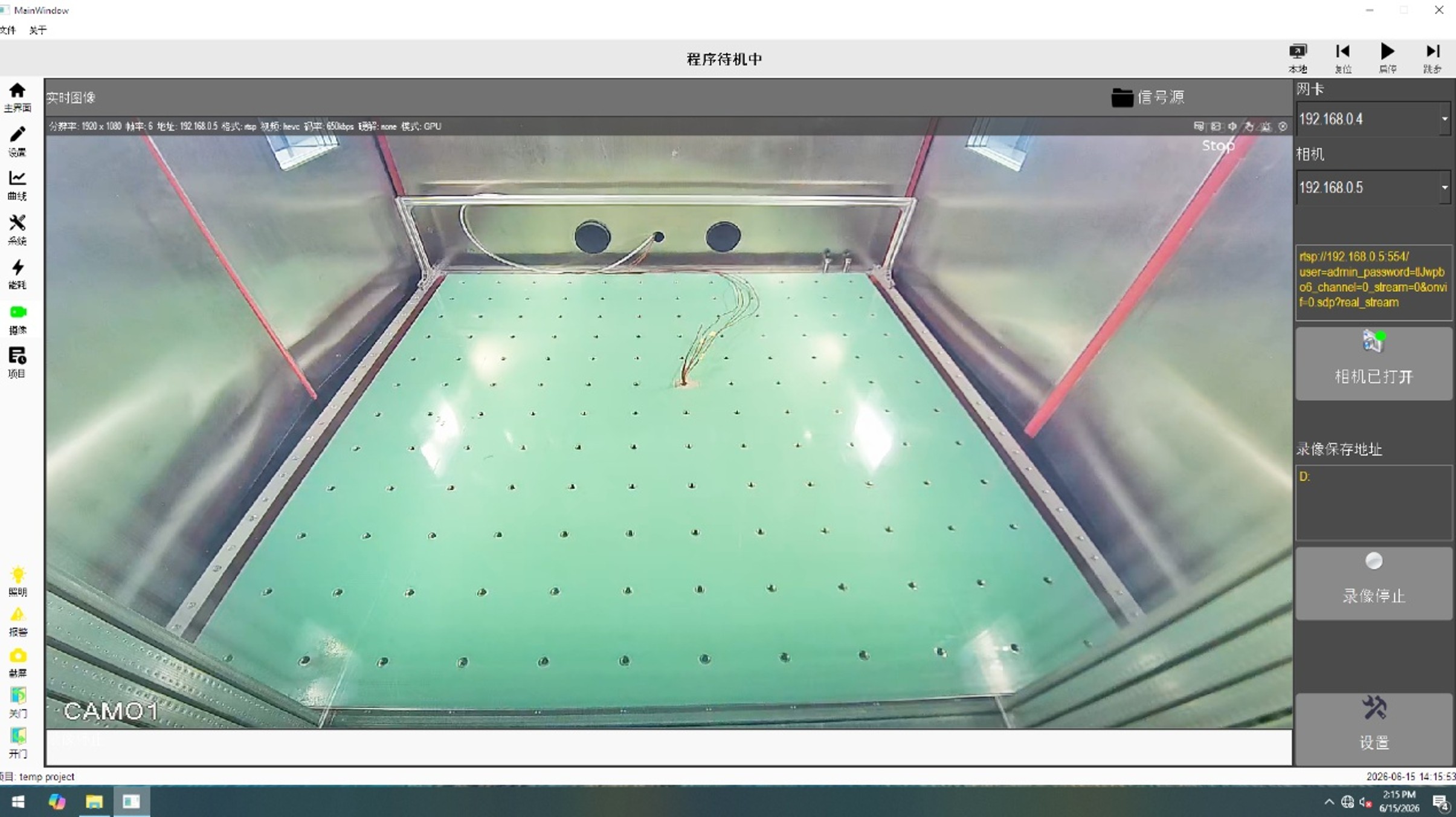
- Video monitoring synchronized with test data
- DUT barcode / QR code identification
- Remote monitoring and control
- SCADA integration
- CAN / CAN-FD / RS232 / USB / Ethernet / Wi-Fi connectivity
These functions allow HALT and HASS testing to move toward automated and unattended operation.
Low Noise & Maintenance-Friendly Design
The system uses dedicated airflow and exhaust paths to support high-heat-load DUT testing. An integrated vibration noise-guidance structure helps maintain noise below 73 dB at 1 m under 50G operation.
The compact integrated design also simplifies transportation, installation and maintenance, with service connections positioned at the top of the system for easier facility integration.
Technical Specifications
| Parameter | Specification |
| Temperature Range | -100 to +200°C |
| Temperature Change Rate | ≥75°C/min average for 3.0 / 4.0; ≥60°C/min average for 5.0 |
| Vibration Level | 1–100G |
| Vibration Frequency | 0–10,000 Hz |
| Temperature / Vibration Rate Setting | 5–100°C/min |
| Temperature Channels | 5 channels; 1 control + 4 monitoring |
| Vibration Channels | 4 channels; 1 control + 3 monitoring |
| Controller | SIEMENS / Allen-Bradley / BIA PLC |
| HMI | 13-inch touchscreen, Windows 11 |
| Nitrogen Purge | Standard |
| Noise Level | <73 dB at 1 m, 50G |
| Maximum Instantaneous Power | 380 VAC, 80 kW / 100 A |
Model Selection
| Model | BY-HT-3.0 | BY-HT-4.0 | BY-HT-5.0 |
| Application | HALT / HASS | HALT / HASS | HALT / HASS |
| Vibration Level | 1–100G | 1–100G | 1–100G |
| Vibration Table | 910 × 910 mm | 1213 × 1213 mm | 1510 × 1510 mm |
| Air Hammers | 9 | 12 | 16 |
| Vibration Frequency | 0–10,000 Hz | 0–10,000 Hz | 0–10,000 Hz |
| Load Capacity | 250 kg | 317 kg | 320 kg |
| Temperature Rate | ≥75°C/min | ≥75°C/min | ≥60°C/min |
| Temperature Range | -100 to +200°C | -100 to +200°C | -100 to +200°C |
| Maximum Working Volume | 1.20 m³ | 2.38 m³ | 3.54 m³ |
| Minimum Working Volume | 1.10 m³ | 1.82 m³ | 2.70 m³ |
| Approx. External Dimensions | 1780 × 2700 × 1400 mm | 2100 × 2700 × 1700 mm | 2500 × 2700 × 2000 mm |
| Approx. Weight | 1100 kg | 1350 kg | 1700 kg |
Standard Configuration
The standard system includes:
- HALT/HASS temperature + high-frequency random vibration system
- PLC control system and 13-inch touchscreen HMI
- Industrial PC and operating workstation
- HALT/HASS test application software
- Data acquisition system
- Temperature and vibration sensors
- HALT standard test fixtures
- Nitrogen purge system
- Vibration air hammers
- Flexible exhaust and airflow ducts
- Cable entry and sealing accessories
- Recommended spare parts package
- Installation and commissioning
- Operator and application training
- Localized warranty and service support
Facility Requirements
The HyperStrength system requires dedicated facility services including:
- Liquid Nitrogen: 0.35–1.0 MPa, approximately 59 L/min
- Gaseous Nitrogen: 0.1–0.2 MPa, approximately 5 L/min
- Compressed Air: 1.0 MPa, approximately 2.7 m³/min
- Exhaust: 8-inch connection
- Power: 380 VAC, maximum instantaneous power 80 kW / 100 A
Facility layout, access routes, door dimensions and lifting requirements should be confirmed before installation.
HALT / HASS Solutions from Microrel Solution
At Microrel Solution, we support customers from equipment selection and facility planning through installation, commissioning and application support.
Whether you are developing a new product, investigating field failures or implementing production HASS screening, we can help configure the HALT/HASS chamber, vibration system, fixtures, data acquisition and automation around your application.
CONTACT US to discuss your HALT/HASS requirements and develop the right accelerated reliability test solution.